The Incorporations of Ultherapy: What You Required to Understand About This Non Surgical Lift Service
Ultherapy stands apart as a popular non-surgical lift option, leveraging ultrasound technology to boost skin firmness. This procedure not only targets various areas but also caters to a wide age variety. Patients frequently seek it for its minimal downtime and immediate benefits. Nonetheless, recognizing the intricacies of Ultherapy-- from treatment areas to candidateship-- is vital for any person pondering this rejuvenation approach. What are the vital aspects to assess prior to proceeding?
What Is Ultherapy and Exactly How Does It Work?
Ultherapy is a non-invasive cosmetic treatment that utilizes ultrasound technology to stimulate collagen production in the skin. Authorized by the FDA, it targets the deeper layers of the skin, especially the foundational layer typically resolved in plastic surgery. During the procedure, a handheld gadget provides focused ultrasound power to boost the skin, triggering a natural healing feedback. This procedure urges the manufacturing of new collagen, which aids to tighten and raise the skin with time.
The procedure is generally well-tolerated, needing no cuts or downtime, making it an appealing choice for those looking for facial restoration without surgical treatment. The treatment can be tailored to fit individual demands, enabling practitioners to attend to particular areas of issue. Outcomes progressively show up over a couple of months as collagen builds, supplying a refined yet obvious improvement in skin structure and firmness. In general, Ultherapy represents a modern-day technique to skin firm and rejuvenation.
Key Benefits of Picking Ultherapy
Many individuals seeking non-surgical skin renewal find Ultherapy to be an attractive alternative because of its range of advantages. Among the primary advantages of Ultherapy is its capacity to boost collagen production, leading to tighter and firmer skin in time. This treatment makes use of ultrasound modern technology, which permits specific targeting of deeper skin layers without damaging the surface area.
Furthermore, Ultherapy is a non-invasive procedure, indicating there is no requirement for surgical cuts or prolonged healing periods. Clients can commonly resume their day-to-day activities promptly after therapy. The outcomes of Ultherapy can be progressive, providing a natural-looking lift that boosts the patient's look without a sudden modification.
Additionally, Ultherapy is suitable for different skin types and can be personalized to fulfill specific requirements. With its proven effectiveness and safety, numerous people consider Ultherapy an engaging option for attaining vibrant skin without the demand for surgical treatment.
The Ultherapy Therapy Refine
The Ultherapy treatment process includes a series of well-defined steps made to guarantee perfect outcomes. An appointment enables the specialist to evaluate the individual's needs and figure out the suitable therapy strategy. During the procedure, the skin is washed, and an ultrasound gel is related to assist in smooth application of the tool.
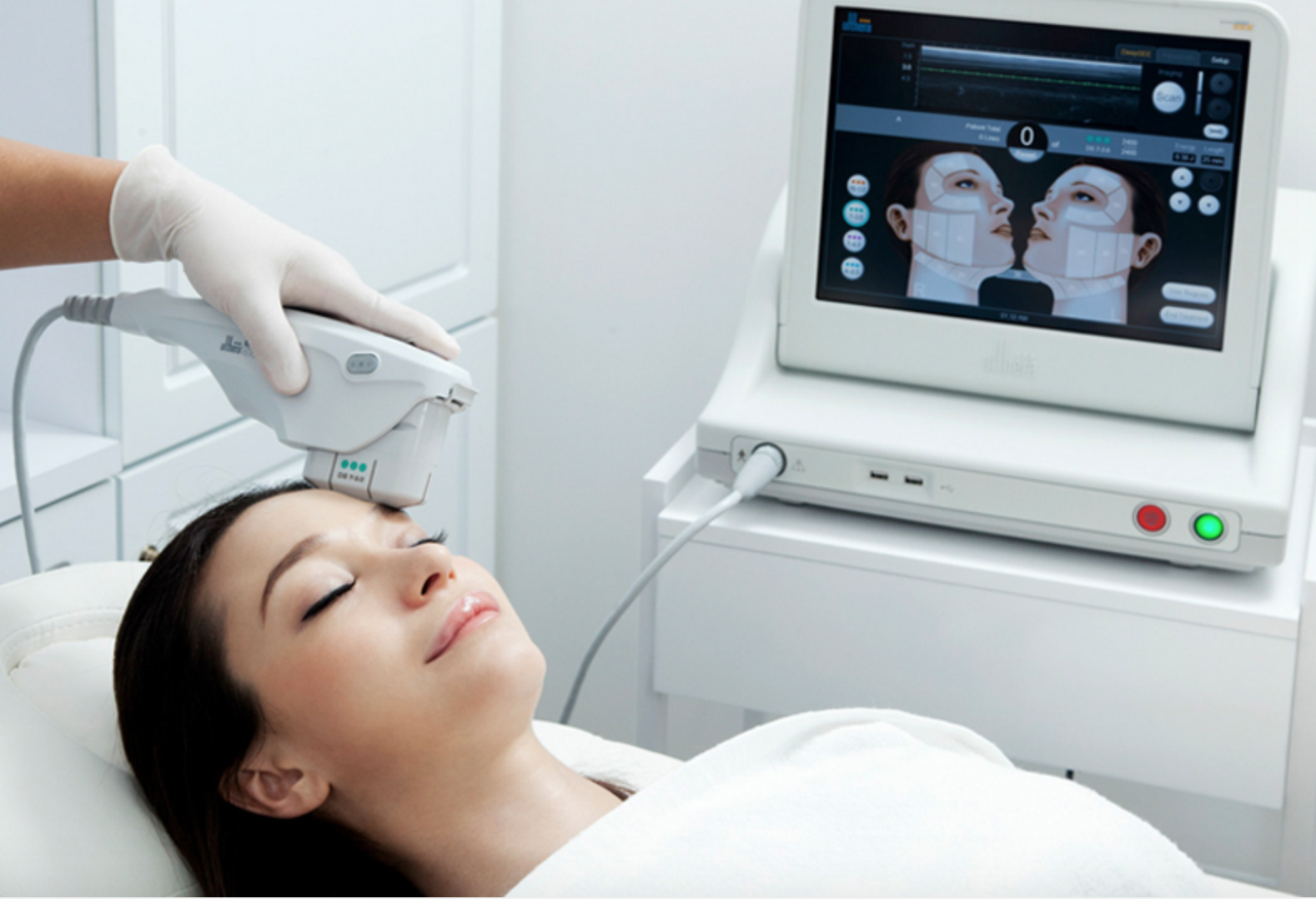
The Ultherapy gadget uses concentrated ultrasound power to boost collagen production deep within the skin. As the ultrasound energy is delivered, the patient may experience a feeling of heat or minor discomfort, which is generally well-tolerated. The period of the therapy varies depending on the area being attended to but normally lasts in between 30 to 90 mins.
Post-treatment, clients can resume their day-to-day activities with minimal downtime. Outcomes start to slowly show up over the following weeks, as the body naturally creates brand-new collagen, boosting skin suppleness and elasticity.
Locations of the Body That Can Be Dealt with
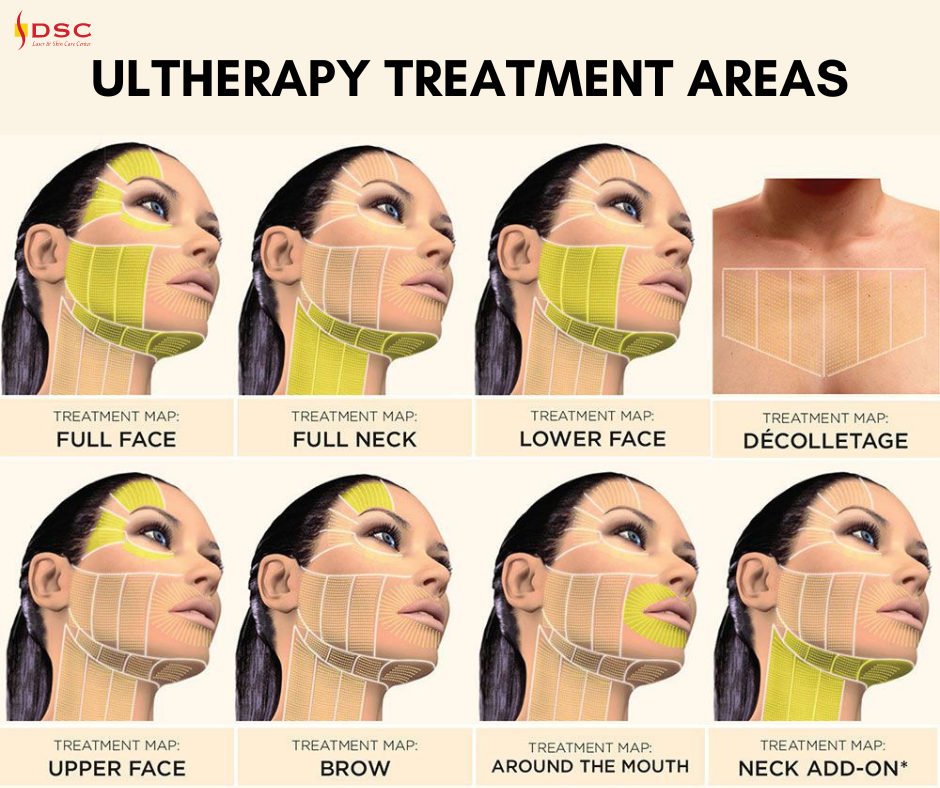
Different areas of the body can benefit from Ultherapy therapy, making it a functional alternative for those looking for non-invasive skin tightening up. Primarily, the face is a prime focus, with Ultherapy efficiently raising and tightening the skin around the eyebrow, cheeks, and jawline. This treatment can also address sagging skin on the neck, offering an invigorated appearance.
Along with facial locations, Ultherapy is suitable for the décolletage, where it aids enhance skin structure and suppleness. The treatment can reach other areas, such as the arms and abdominal areas, where loosened skin might occur.
Anticipated Results and Recovery Time
Expected results from Ultherapy commonly include an obvious lifting and tightening of the skin, with outcomes ending up being extra obvious with time as collagen production rises. Many clients report noticeable enhancements within 2 to 3 months post-treatment, with optimal outcomes usually seen around six months. The non-invasive nature of Ultherapy adds to its charm, as it normally needs marginal downtime.
Patients might experience moderate swelling, soreness, or tenderness in the treated locations, but these adverse effects usually fix swiftly. The majority of people can resume their normal activities instantly after the procedure.
While the durability of outcomes differs, results can last as much as a year or longer, relying on individual skin disease and maturing processes. Normal follow-up sessions may help preserve the preferred end results, boosting the total performance of the therapy.
That Is an Excellent Candidate for Ultherapy?
Identifying that is a good prospect for Ultherapy includes thinking about several aspects. The suitable age variety commonly falls between 30 and 65, while skin kind and any kind of hidden health conditions also play crucial duties in qualification. Comprehending these standards can assist individuals evaluate whether Ultherapy is an appropriate alternative for them.
Suitable Age Range
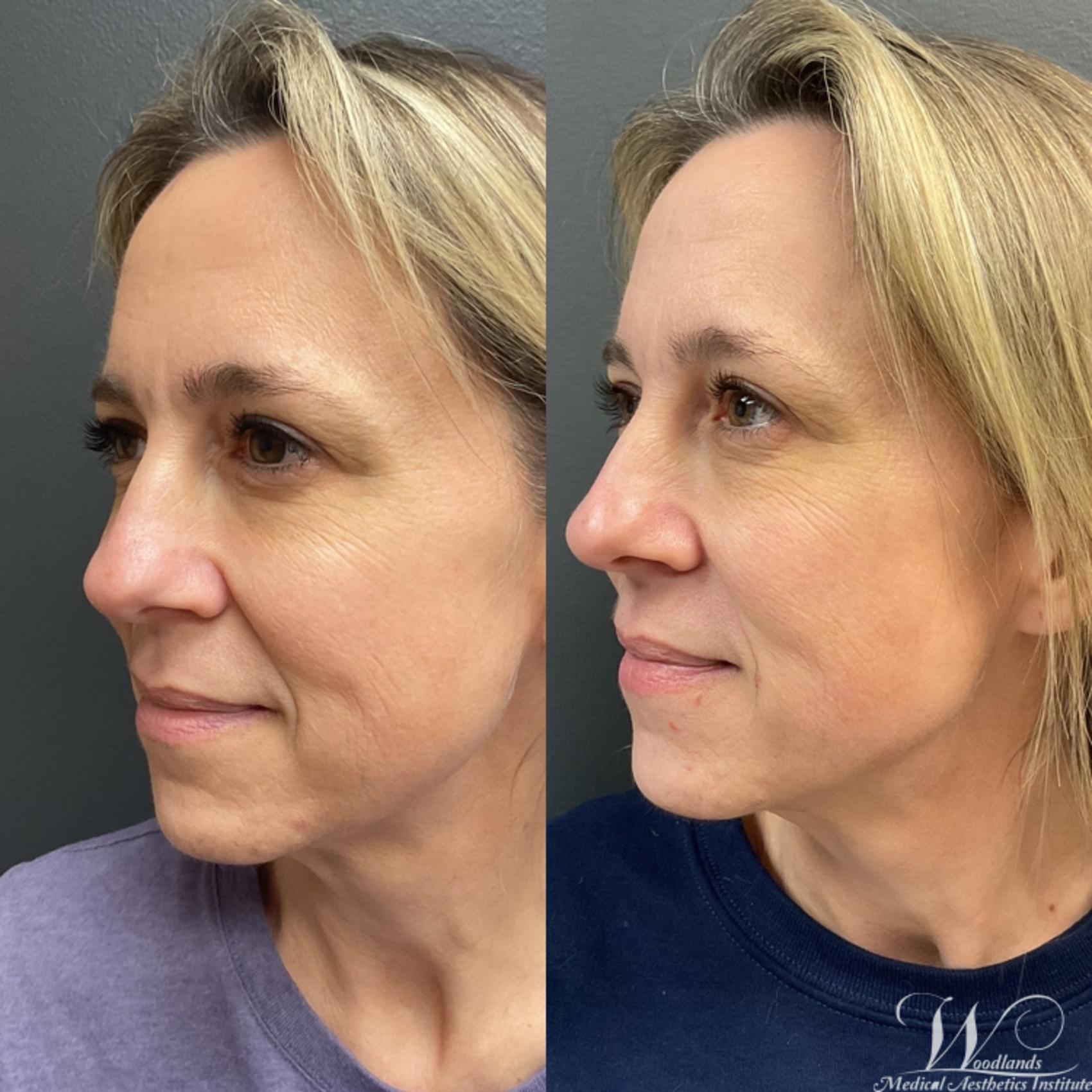
Ultherapy is most reliable for individuals in their 30s to 60s that are beginning to notice indications of aging, such as drooping skin or loss of elasticity. This age range typically stands for a changeover stage where the skin's natural collagen manufacturing starts to decrease, making it a perfect time to review non-surgical lifting options. Prospects in their 30s might seek Ultherapy as a preventative measure, while those in their 40s to 60s commonly look to address more pronounced signs of aging. Importantly, Ultherapy is not limited to a certain demographic; both guys and ladies can profit. Eventually, the most effective prospects are those that want subtle training and tightening up without the requirement for intrusive procedures.
Skin Type Considerations
People considering Ultherapy ought to take their skin type into account, as it plays a significant duty in therapy performance. Normally, those with skin that presents signs of click reference aging, such as sagging or laxity, are prime candidates. Ultherapy is especially beneficial for people with fair to medium skin tones, as the ultrasound power targets much deeper layers without harming the surface. On the other hand, people with darker skin kinds may encounter a higher threat of coloring changes. Furthermore, skin structure and elasticity are vital variables; those with even more resilient skin may see far better results. Ultimately, an assessment with a qualified supplier can aid establish suitability based upon specific skin qualities, making sure a customized strategy for ideal end results.
Wellness Conditions Affecting Qualification
Eligibility for Ultherapy can be from this source affected by various wellness conditions that might affect the skin and general health. Prospects with specific skin problems, such as active acne, dermatitis, or psoriasis, may not appropriate, as these problems can interfere with the treatment's effectiveness and security. In addition, individuals with a background of recent facial surgical procedures or those who have obtained injectable fillers in the targeted locations might require to wait prior to going through Ultherapy. People with specific clinical problems, like autoimmune illness or serious chronic diseases, need to also seek advice from their doctor to identify their suitability. Ultimately, a thorough pre-treatment assessment is important to ensure the best end results and to determine any kind of potential dangers linked with the treatment.
Price and Factors To Consider for Ultherapy Treatment
Comprehending the cost of Ultherapy therapy is important for prospective prospects. Rates can vary based on aspects such as area and the extent of therapy called for. Additionally, funding options might be offered to assist take care of the expenditure.
Treatment Rates Overview
Price is a substantial variable when taking into consideration Ultherapy treatment, as rates can vary commonly depending upon a number of components. Variables affecting the cost include the therapy area, the company's experience, and geographical place. Generally, sessions can range from $1,000 to $4,500, with larger locations or even more comprehensive treatments commanding higher fees. Furthermore, the variety of sessions required for optimal results can affect general expenditures (RJ Clinic Ultherapy). It is vital for prospective patients to consult with licensed Continued experts to obtain individualized quotes based upon their distinct demands. Openness in pricing is vital, as covert costs or add-ons may impact the complete cost. Recognizing these variables can aid individuals make educated choices regarding their Ultherapy treatment alternatives
Funding Options Available
While considering Ultherapy treatment, lots of possible patients explore funding alternatives to handle their expenses efficiently. Various clinics provide repayment strategies that permit people to spread out the cost over numerous months, making the treatment much more easily accessible. Some centers companion with third-party funding business, supplying alternatives such as low-interest loans and even interest-free periods. On top of that, versatile costs accounts (FSAs) or wellness savings accounts (HSAs) might be made use of to cover costs, relying on private conditions. Clients are motivated to ask about possible discount rates for ahead of time payments or marketing deals that might be available. Comprehending these funding options can aid prospective clients make educated decisions regarding their Ultherapy treatment while relieving the monetary burden related to this treatment.
Frequently Asked Concerns
Just how Long Do the Results of Ultherapy Normally Last?
The period of Ultherapy outcomes varies, typically lasting between 6 months to 2 years (Non surgical facelift Malaysia). Variables influencing longevity include specific skin kind, maturing process, and maintenance treatments, which can improve and lengthen the effects of the treatment
Can Ultherapy Be Combined With Various Other Therapies?
Ultherapy can undoubtedly be integrated with other treatments, such as fillers and neurotoxins. This mix method typically improves overall results, giving an extra thorough rejuvenation effect while addressing various skin concerns at the same time.
Is Ultherapy Safe for All Skin Types?
Ultherapy is typically considered secure for various skin types, but private results might vary. Consulting a qualified expert is important to figure out suitability, as skin problem and sensitivity can affect treatment outcomes and safety and security.
What Are the Prospective Adverse Effects of Ultherapy?
The potential adverse effects of Ultherapy may include temporary redness, swelling, tenderness, or discomfort in treated areas. Some people may likewise experience minor discoloration or a tingling feeling, although these results typically resolve quickly.
Just How Numerous Ultherapy Sessions Are Normally Required for Optimum Outcomes?
Commonly, individuals need one to three Ultherapy sessions for optimal outcomes. The exact number may vary based on skin condition and desired results, with many experiencing obvious improvements after a solitary treatment. Regular assessments may guide further sessions.